
Whether you're building or upgrading vacuum trucks for municipal, industrial, or environmental applications, liquid ring pumps offer unmatched advantages in safety, sustainability, and performance. Make the switch to a cleaner, quieter, and more reliable technology.
.jpg?format=pjpeg&width=100&quality=10)
Find Your Liquid Ring Solution
Fruitland Manufacturing liquid ring pumps, powered by SAMSON PUMPS, deliver a trusted vacuum solution for modern industrial and vacuum truck applications. By using water as the sealing medium, liquid ring pumps produce only clean exhaust, eliminate hazardous emissions, and protect operator health while keeping work sites free of oil stains or films. Renowned for quiet operation, high efficiency, and enhanced safety, these pumps are ideal for municipal, industrial, and environmental use and are uniquely suited for safely handling hydrocarbons and other flammable or hazardous materials.
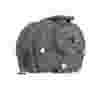
Truck Master 2
The TM2 liquid ring vacuum pump performs best with 2” hoses.
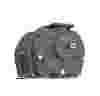
Truck Master 3
The TM3 liquid ring vacuum pump performs best with 4″ hoses. 2” and 3” hoses can be used with reduced RPMs, and hoses larger than 4” can be used, but this is recommended for fluids only.
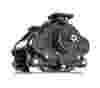
Truck Master 1700
The TM1700 liquid ring vacuum pump performs best with 4″ hoses. 2” and 3” hoses can be used with reduced RPMs, and hoses larger than 4” can be used, but this is recommended for fluids only.
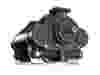
Truck Master 2500
The TM2500 liquid ring vacuum pump performs best with 5” hoses. 3” and 4” hoses can be used with a reduced RPM, and hoses larger than 5” can be used, but this is recommended for fluid lifts only.
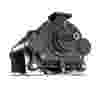
Truck Master 3400
The TM3400 liquid ring vacuum pump performs best with 6” hoses.
4” and 5” hoses can be used with a reduced RPM, and hoses larger than 6” can be used, but this is recommended for fluid lifts only.
Troubleshooting Liquid Ring Pumps
Possible Causes
- Water Level Issues: Insufficient water in the housing can affect the formation of the liquid ring.
- Air Leaks: Leaks in the system can cause loss of vacuum.
- Worn Impeller Blades: Blades can wear down over time, reducing efficiency.
Solutions
- Check Water Levels: Ensure the housing has adequate water to form the liquid ring.
- Inspect for Leaks: Tighten connections and replace any damaged seals.
- Replace Impeller Blades: If the blades are worn, replace them as per the manufacturer’s guidelines.