
The Power Behind the Flow, Blowers for Hydro-Excavation and Vacuum Trucks
RB-DV Blower Working Principles
To load this content, approve your cookie preferences and allow the required cookies.
What Are Blowers and How Do They Work?
Blowers are a versatile category of vacuum pumps used extensively across industries like construction, oil and gas, utilities, and environmental services. Unlike traditional rotary vane vacuum pumps, blowers use different rotor designs, such as screw, claw, or lobe to generate airflow. These designs allow blowers to move large volumes of air, making them ideal for applications where high CFM (cubic feet per minute) is critical.
Inside a blower, rotors spin within a housing to create suction or pressure. The specific rotor configuration, whether it's a tri-lobe, screw-type, or claw-type determines the blower's performance characteristics. For example, large lobe blowers are commonly used as stationary air compressors in industrial facilities, while truck-mounted blowers are engineered for mobile applications like vacuum excavation and sewer cleaning.
The RB-DV: A Game-Changer in Blower Technology
Enter the RB-DV blower, a tri-lobe design that offers a unique solution for both dry and liquid waste applications. What sets the RB-DV apart is its compatibility with hazardous and sensitive materials, including ADR-classified substances and chemical waste. This makes it an ideal choice for industries that require both performance and safety.
Key benefits of the RB-DV include:
- Dual-use capability for dry and wet materials
- High vacuum performance up to 28 inHg
- Robust construction for handling corrosive or hazardous substances
- Versatility across multiple industries, from chemical transport to environmental cleanup
Whether you're in the market for a new vacuum truck blower or looking to upgrade your hydro-excavation equipment, understanding the role of blowers and the innovations like the RB-DV can help you make informed decisions. While they may come with a higher upfront cost and complexity, the performance, airflow capacity, and versatility of blowers make them a cornerstone of modern vacuum technology.
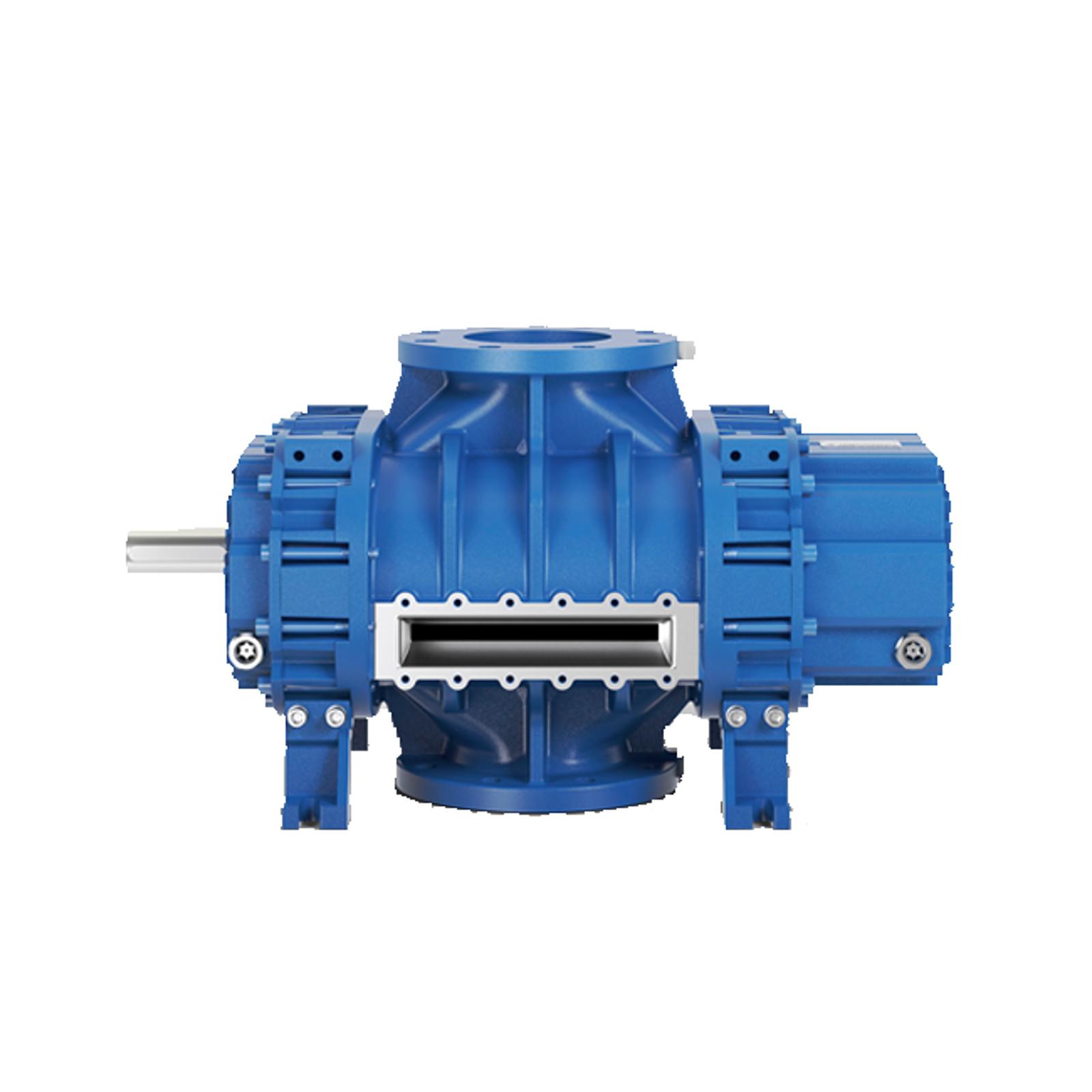
RB-DV Blowers Design Highlights
To load this content, approve your cookie preferences and allow the required cookies.
Common Troubleshooting Problems with Blowers and How to Fix Them
1. Lack of Airflow
Problem: The blower is running, but the airflow is insufficient.
Possible Causes:
- Clogged Filters: Dirty or clogged filters can restrict airflow.
- Rotor Issues: Worn or damaged rotors can reduce efficiency.
- Air Leaks: Leaks in the system can cause loss of airflow.
Solutions:
- Clean or Replace Filters: Regularly clean or replace filters to ensure optimal airflow.
- Inspect and Replace Rotors: Check for wear or damage and replace rotors as needed.
- Seal Leaks: Tighten connections and replace any damaged seals to prevent air leaks.
2. Overheating
Problem: The blower is overheating during operation.
Possible Causes:
- Blocked Airflow: Blockages in the intake or exhaust can cause overheating.
- Insufficient Cooling: The cooling system may not be working properly.
- Overloading: Operating the blower beyond its capacity can lead to overheating.
Solutions:
- Clear Blockages: Inspect and clear any blockages in the intake and exhaust.
- Check Cooling System: Ensure the cooling system is functioning correctly and provide adequate ventilation.
- Operate Within Limits: Do not exceed the blower’s designed capacity.
3. Blower Not Turning
Problem: The blower fails to start or stops turning during operation.
Possible Causes:
- Mechanical Blockage: Debris or worn components can cause the blower to jam.
- Electrical Issues: Problems with wiring or the motor can prevent the blower from starting.
Solutions:
- Clear Mechanical Blockages: Remove any debris and inspect internal components for wear. Replace worn parts as necessary.
- Check Electrical Connections: Repair any faulty wiring or motor issues.
Frequently Asked Questions
How much airflow do blowers provide?
Blowers are capable of generating large amounts of airflow, making them suitable for applications requiring high air movement, such as hydro-excavation.
What is the noise level of blowers during operation?
Blowers can be quite noisy compared to other types of pumps. Noise levels vary based on the specific design and application, but they generally produce more sound than rotary vane or liquid ring pumps.
For which jobs can I use these pumps?
Blowers are ideal for hydro-excavation trucks and are used in applications requiring significant airflow, such as soil removal, debris extraction, and industrial vacuuming.
Are there any hazardous emissions?**
Blowers themselves do not produce hazardous emissions, but they can stir up dust and other particulates. Proper filtration and dust control measures should be implemented to ensure safe operation.
Blowers are a critical component in the vacuum pump industry, particularly for applications requiring extensive airflow. While they come with some challenges such as higher costs, complexity, and noise, their ability to move large volumes of air makes them indispensable for tasks like hydro-excavation. Understanding how blowers work and how to troubleshoot common issues can help maintain their performance and extend their lifespan.
More Questions?
Have more questions? We're happy to help! Call us at (844) 442-4692 or send us a form by clicking Contact Us and we'll answer all your blower questions!